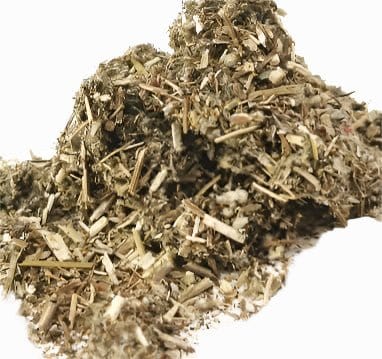
Kenya - Kosabei Estate TGFOP (TM)
Kenya - Kosabei Estate TGFOP (TM)
In stock
Couldn't load pickup availability
Estimated Shipping Widget will be displayed here!
Arguably one of the best cups of Kenyan black tea around. The leaves yield a delicious amber-coloured brew with hints of malt and berry. The finish is gentle and astringent with notes of malt, currant and moist earth. Nicely twisted and rolled leaves with golden tips shows that care was taken in making this fine tea. Interestingly the story of Kosabei Estate tea begins in Assam far up in the Himalayan foothills. During the 19th century, long before tea was ever plated in Kenya (rumoured to have been in 1903) British planters had been clearing jungle and producing teas for the London auction up in Assam. The early planters lived in extreme isolation often weeks upriver from the nearest town. Subsequently they had a lot of time on their hands. What time they did not devote to hanging about the local club playing backgammon was spent experimenting with new ways to manufacture finished tea. At the time most of the world's teas were produced in China (a country known for keeping a tight lid on production secrets). Initially the early Assam planters attempted to mimic the better-known Chinese tea grades - i.e. Assam Hyson Assam Congou etc. Over the years as the result of all their experimentation the Assam planters developed many new grades and styles of finished leaf, leading to the classification system we know today - OP FBOP GBOP TGFOP etc. Now where does the Kenyan connection come into play? One of Assam's early planters was a man by the name of George Williamson. Williamson's excellent business acumen and knack for growing and manufacturing exceptional teas soon caught the attention of the London auction houses and his company grew into one of the largest and best-run private tea companies in the world. During their many years growing tea in Assam George Williamson's perfected the art of the tea world's finer grades among them TGFOP - Tippy Golden Flowery Orange Pekoe. During the early part of the new millennium George Williamson's moved their business from Assam to Kenya bringing their tea expertise with them and ushering in a new era of Kenyan production. Until the arrival of Williamson's in Kenya most Kenyan teas produced for the export market were CTC production, the result of which was that Kenya's industry came of age during the 20th century - a decidedly more mechanised age than the 19th. Recognising the exceptional quality of seasonal Kenyan leaf Williamson's decided to experiment with some of the more traditional leaf styles they had manufactured back in Assam. The result is some of the finest, most flavourful teas to be found anywhere.
Please note: In order to become more environmentally-friendly we no longer add large coloured labels to our tea packets. Simply peel off the small name label from the back of your packet to make it totally biodegradable! Gift tubes are as shown.
Shipping
ArtisanBox policy- Each maker packs and ships direct, so a mixed basket can arrive in separate parcels.
- Delivery cost per maker is shown in your basket and at checkout.
- Dispatched Monday to Friday; not at weekends or on bank holidays.
- Free delivery on baskets over £100 with code FREEDEL.
Returns
ArtisanBox policy- Perishable food can't be returned for a change of mind.
- Faulty or damaged? Email customer@shopartisanboxhits.com within 48 hours with photos.
- Unopened non-perishable items can be returned within 30 days of delivery.
- Refunds reach your original payment method in 5–10 business days.
What is ArtisanBox?
How can I contact ArtisanBox?
How does ArtisanBox work?
2. Packed by the Artisan: We don't use dusty warehouses. Once you order, our makers are notified immediately. They hand-pick and pack your items direct from their own farm, butchery, or kitchen.
3. Direct-to-Door Delivery: Because our artisans prioritise freshness, your items are shipped straight to you. If you order from multiple makers, your treats may arrive in separate packages, ensuring each one travels the shortest distance possible to stay at its best.
Individual shipping rates apply per artisan to ensure they can use their preferred specialist couriers.
How does shipping and delivery work?
We attempt to make this clear to you throughout the process via the following:
* On each product page we show the vendor details, the estimated shipping and delivery dates and the shipping cost for a given product.
* We display estimated delivery times in basket, checkout and confirmation email.
* At checkout we display the number of deliveries and associated costs (if any) with each shipment.
Individual vendors may offer free delivery when a minimum threshold or amount is reached. If so, this is messaged in the lime green shipping and delivery information just below the buy buttons on a product page. We offer a Delivery Pass subscription that offers subsidised and free delivery as well.
How do subscriptions work?
100% Fresh. 100% Guaranteed.
If it’s not peak quality, we’ll make it right—instantly. No hassle, no questions asked.